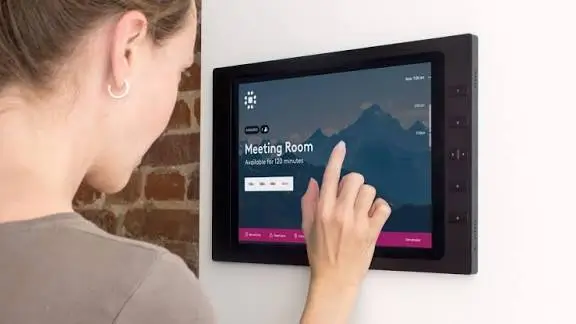
Maximizing Meeting Room Efficiency With Smart Booking Technology
Meeting rooms represent some of the most expensive real estate within any office, given the substantial cost of commercial space, yet many organizations still manage this valuable resource through informal, inefficient methods that fail to maximize its actual utility.
Understanding the True Cost of Underutilized Meeting Spaces
When meeting rooms sit empty despite appearing “booked,” or when scheduling confusion prevents rooms from being used efficiently, organizations are effectively wasting a portion of their real estate investment, making genuine efficiency in room usage a meaningful, if often overlooked, cost consideration.
How Booking Systems Improve Room Utilization Rates
A properly implemented room booking system improves actual room utilization by ensuring rooms only appear booked when genuinely needed, automatically releasing reservations when meetings don’t materialize, and providing visibility that helps employees find and use available space more efficiently throughout the day.
Automated Release of Unused Reservations
One particularly valuable efficiency feature many booking systems offer involves automatically releasing a room reservation if the meeting doesn’t actually begin within a defined grace period, addressing the common problem of rooms sitting empty despite showing as reserved due to meetings that were cancelled or simply never used the space as originally planned.
Matching Room Size to Actual Meeting Needs
Efficient room booking involves matching meeting size and requirements to appropriately sized spaces, and booking systems that provide clear information about room capacity and features help employees select genuinely appropriate spaces rather than defaulting to whatever room happens to be familiar or convenient regardless of fit.
Identifying Underutilized Spaces for Reallocation
The data captured through booking system usage often reveals which specific rooms or room types see consistently low utilization, information facilities teams can use to consider whether these spaces might be better reallocated to serve different organizational needs.
Reducing the Administrative Burden of Room Management
Beyond pure space efficiency, automated booking systems reduce the administrative time facilities or office management staff previously spent manually coordinating room requests and resolving scheduling conflicts, freeing this time for more valuable work.
Supporting Data-Driven Space Planning Decisions
Organizations planning future office renovations or expansions benefit considerably from having genuine historical utilization data available, supporting more informed, evidence-based decisions about how much and what type of meeting space actually makes sense for their specific organization.
See also: How to Improve Your Google Business Profile for More Local Customers
Building a Culture of Efficient Space Usage
Beyond the technology itself, implementing a booking system often supports a broader organizational culture shift toward more thoughtful, efficient use of shared meeting spaces, as employees become more accustomed to actively managing their bookings rather than treating room usage casually.
Conclusion
Smart room booking technology addresses genuine inefficiency in how organizations use their valuable meeting space, from automatically releasing unused reservations to providing data supporting better long-term space planning decisions. This improved efficiency represents meaningful value extracted from an organization’s existing real estate investment.
FAQs
Q1: How does automated release of unused reservations improve room efficiency? This feature releases a room booking if the meeting doesn’t begin within a defined grace period, addressing the common problem of rooms sitting empty despite showing as reserved.
Q2: Can booking system data help with future office planning decisions? Yes, genuine historical utilization data supports more informed, evidence-based decisions about how much and what type of meeting space an organization actually needs.
Q3: Does implementing a booking system reduce administrative burden? Yes, automated systems reduce the time facilities or office staff previously spent manually coordinating room requests and resolving scheduling conflicts.