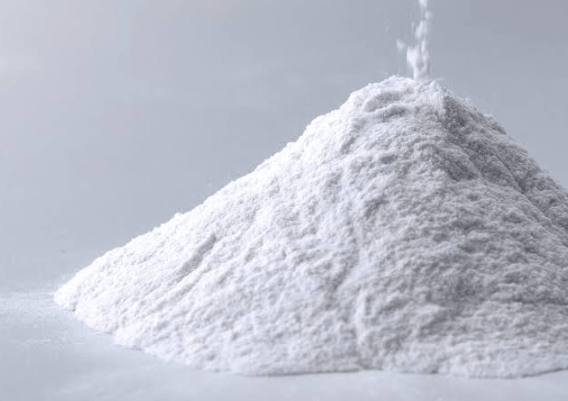
Fumed Silica for Anti-Corrosion: Enhancing the Protection Performance of Advanced Coating Systems
Introduction
Corrosion remains one of the most significant challenges faced by industries that rely on metal structures and equipment. From bridges and pipelines to marine systems and industrial machinery, metallic materials are constantly exposed to moisture, oxygen, chemicals, and environmental conditions that accelerate degradation. Without effective protection, corrosion can reduce service life, increase maintenance costs, and compromise structural safety.
Protective coatings are widely used as a first line of defense against corrosion. Among modern coating technologies, zinc-rich coatings have gained recognition for their excellent protective capabilities because of zinc’s sacrificial protection mechanism. However, continuous advancements in material science have encouraged researchers to improve coating performance further through functional additives. One such advanced additive is fumed silica.
The use of fumed silica for anti-corrosion applications has attracted attention because of its ability to improve coating structure, stability, mechanical strength, and resistance against environmental factors. This nanoscale material provides unique benefits that help create more durable protective coatings for demanding industrial environments.
Understanding how fumed silica contributes to corrosion protection allows manufacturers and coating developers to design more effective solutions for extending the lifespan of metal components.
Understanding Corrosion and Protective Coatings
What Causes Metal Corrosion?
Corrosion is a natural electrochemical process in which metals react with their surrounding environment. The presence of water, oxygen, salts, and chemicals can accelerate this process, causing gradual deterioration of metal surfaces.
Common factors contributing to corrosion include:
- High humidity
- Saltwater exposure
- Industrial pollutants
- Chemical environments
- Temperature changes
Steel and iron are particularly vulnerable because they easily react with oxygen and moisture to form rust.
Importance of Anti-Corrosion Coatings
Anti-corrosion coatings create a protective barrier between metal surfaces and harmful environmental elements. A high-quality coating system prevents moisture penetration, improves adhesion, and provides long-term protection.
Traditional coatings have provided effective protection, but modern industries require improved durability, chemical resistance, and longer service intervals. This demand has encouraged the development of advanced coating formulations containing functional additives such as fumed silica.
What Is Fumed Silica?
Properties of Fumed Silica
Fumed silica is a highly pure form of silicon dioxide produced through a flame-based manufacturing process. It consists of extremely fine particles with a high surface area and unique three-dimensional structure.
Important characteristics of fumed silica include:
- Nanometer-scale particle size
- High surface activity
- Excellent chemical stability
- Reinforcement ability
- Thickening properties
- Moisture interaction capability
These properties allow fumed silica to modify the behavior of coating systems and improve their overall performance.
Why Is Fumed Silica Used in Coatings?
In coating formulations, fumed silica acts as a multifunctional additive rather than a simple filler. It can influence viscosity, dispersion, mechanical strength, and barrier properties.
By improving the internal structure of coatings, fumed silica helps create protective layers that are more resistant to environmental damage.
Role of Fumed Silica for Anti-Corrosion Protection
Improving Coating Barrier Properties
One of the main ways corrosion occurs is through the penetration of water and oxygen into protective coatings. Once these elements reach the metal surface, corrosion reactions can begin.
Fumed silica improves the density and structure of coating films by creating a more compact network. This reduces pathways through which moisture and corrosive substances can travel.
A stronger barrier effect helps protect the underlying metal and extends coating performance.
Enhancing Zinc-Rich Coating Performance
Zinc-rich coatings are widely used because zinc provides cathodic protection to steel. However, the performance of these coatings depends on factors such as particle distribution, adhesion, and coating stability.
Adding fumed silica can improve the structure of zinc-rich coatings by supporting better dispersion of zinc particles. This allows more uniform protection across the coated surface.
The improved coating network helps maintain protective performance under harsh environmental conditions.
Industries researching advanced corrosion solutions can explore fumed silica for anti-corrosion technologies to understand how silica-based additives enhance modern protective coatings.
Increasing Mechanical Strength and Durability
Protective coatings must withstand mechanical stress, abrasion, and environmental exposure. Weak coatings may crack or lose adhesion, creating pathways for corrosion.
Fumed silica acts as a reinforcing material within coating systems. Its nanoparticles improve the strength and toughness of the coating film, helping it resist physical damage.
This improved durability is particularly valuable in industrial environments where coated surfaces experience frequent wear.
Improving Adhesion to Metal Surfaces
Strong adhesion between a coating and the metal substrate is essential for long-term corrosion protection.
Fumed silica can improve coating consistency and interaction between coating components. Better adhesion reduces the risk of peeling, cracking, or premature coating failure.
A firmly attached protective layer provides more reliable corrosion resistance throughout the service life of the structure.
Controlling Coating Rheology
The flow behavior of coatings affects their application quality and final performance. If a coating is too fluid, it may run or provide insufficient thickness. If it is too thick, application becomes difficult.
Fumed silica functions as a rheology modifier by controlling viscosity and preventing unwanted settling of particles.
This helps manufacturers achieve uniform coating application and consistent protective performance.
Applications of Fumed Silica Enhanced Anti-Corrosion Coatings
Marine Structures
Marine environments are highly aggressive due to continuous exposure to saltwater and humidity. Ships, offshore platforms, and marine equipment require advanced coatings to prevent corrosion.
Fumed silica-enhanced coatings provide improved resistance against moisture penetration and environmental stress.
Industrial Equipment
Factories and processing facilities often contain metal equipment exposed to chemicals, heat, and humidity.
Protective coatings containing fumed silica help improve equipment durability and reduce maintenance requirements.
Infrastructure Projects
Bridges, pipelines, storage tanks, and steel structures require long-term corrosion protection.
Using advanced coating systems helps extend infrastructure lifespan and reduces repair costs.
Factors Affecting Fumed Silica Performance in Coatings
Proper Dispersion
The effectiveness of fumed silica depends on how evenly it is distributed throughout the coating formulation. Poor dispersion can reduce performance benefits.
Advanced mixing techniques are necessary to achieve consistent results.
Surface Characteristics
Different types of fumed silica may have different surface properties. Selecting the appropriate grade is important for compatibility with specific coating systems.
See also: Why Should You Hire a Truck Accident Lawyer in Denver After a Serious Collision?
Coating Formulation Design
The interaction between fumed silica and other coating ingredients influences final performance. Proper formulation optimization ensures maximum benefits.
Future Development of Silica-Based Anti-Corrosion Technology
The demand for longer-lasting and environmentally responsible coatings continues to increase. Researchers are exploring advanced silica-based additives to create coatings with improved protection, lower environmental impact, and better efficiency.
Future developments may focus on multifunctional coatings that provide corrosion resistance, self-healing properties, and improved durability.
As industries continue to invest in infrastructure protection, fumed silica will remain an important material for developing next-generation anti-corrosion coating systems.
FAQs
1. How does fumed silica help prevent corrosion?
Fumed silica improves anti-corrosion coatings by strengthening the coating structure, reducing moisture penetration, improving adhesion, and enhancing barrier protection.
2. Can fumed silica be used with zinc-rich coatings?
Yes, fumed silica can improve zinc-rich coating performance by enhancing particle distribution, coating stability, and mechanical durability.
3. Why is fumed silica considered a multifunctional coating additive?
Fumed silica provides several benefits at the same time, including viscosity control, reinforcement, improved dispersion, and enhanced protective properties.
Conclusion
Fumed silica has become an important additive in modern anti-corrosion coating technologies because of its ability to improve coating strength, stability, and protective performance. By enhancing barrier properties, supporting zinc-rich formulations, and improving durability, this nanoscale material helps create more reliable protection for metal structures.
As industries face increasing demands for longer service life and reduced maintenance costs, advanced solutions such as fumed silica for anti-corrosion applications will continue to play a valuable role in developing high-performance protective coatings.