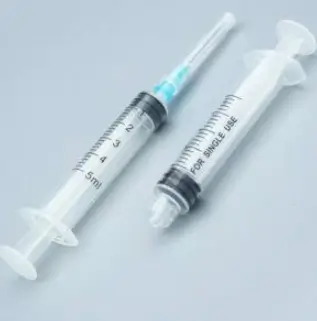
Types of Syringes Every Healthcare Buyer Should Know
Walk into any hospital supply room and you’ll find shelves lined with dozens of syringe variants, each shaped for a specific job. Understanding the types of syringes available on the market isn’t just trivia for procurement staff; it directly affects patient safety, dosing accuracy, and workflow speed. This guide breaks down the major categories so you can match the right barrel, plunger, and tip to the right clinical task.
Why Syringe Selection Matters More Than It Seems
A syringe looks like a simple tool, but the wrong choice can mean medication waste, inaccurate dosing, or even needle-stick injuries. Facilities that standardize their syringe stock based on actual clinical need tend to see fewer errors and lower costs, because staff aren’t improvising with whatever is on hand.
Categorizing by Tip Design
Luer lock tips screw onto a needle or IV port, which prevents accidental disconnection during infusions or when pressure builds inside the barrel. Luer slip tips push on and off quickly, which suits fast, low-pressure tasks like oral medication delivery. Catheter tip syringes have a longer, tapered end built for irrigation and feeding tube work, where a snug fit against tubing matters more than locking security.
Categorizing by Volume
Small-volume syringes, often 1 mL or less, are built for insulin, allergy testing, and pediatric dosing where fractions of a milliliter change outcomes. Mid-range syringes between 3 mL and 10 mL cover the bulk of everyday injections and blood draws. Large-volume syringes, sometimes 20 mL to 60 mL, are reserved for irrigation, wound flushing, and enteral feeding.
Specialty Designs Worth Knowing
Retractable syringes pull the needle back into the barrel automatically after use, cutting down on accidental needle-stick injuries in busy units. Prefilled syringes arrive pre-loaded from the manufacturer, which speeds up emergency response and reduces dosing mistakes. Tuberculin syringes, despite the name, are now widely used for any situation requiring extremely fine dose control.
See also: How to Improve Your Google Business Profile for More Local Customers
Material Considerations
Most disposable syringes are polypropylene, chosen for clarity and chemical resistance. Glass syringes still appear in certain lab and veterinary settings where solvent compatibility rules out plastic.
Additional Resource
If you’re sourcing supplies in bulk, it helps to review a full breakdown of types of syringes before finalizing an order, since the right mix depends heavily on your department’s case mix.
Frequently Asked Questions
What is the most commonly used syringe size in hospitals?
The 3 mL and 5 mL sizes see the heaviest daily use because they cover most standard injections and small-volume medication delivery.
Are Luer lock syringes always better than Luer slip?
Not always. Luer lock is preferred for infusions and anything under pressure, while Luer slip is faster for routine, low-risk tasks where speed matters more than a locking mechanism.
Can one syringe type replace all the others in a clinic?
No single design covers every need safely. Mixing a small selection based on actual procedures performed is more practical than trying to standardize on one type.
Conclusion
Choosing the right syringe isn’t about picking the fanciest option on a supplier’s catalog page; it’s about matching barrel size, tip style, and safety features to the procedures your team actually performs day to day. A little time spent understanding these categories upfront saves money, reduces waste, and, most importantly, keeps both patients and staff safer during routine care.