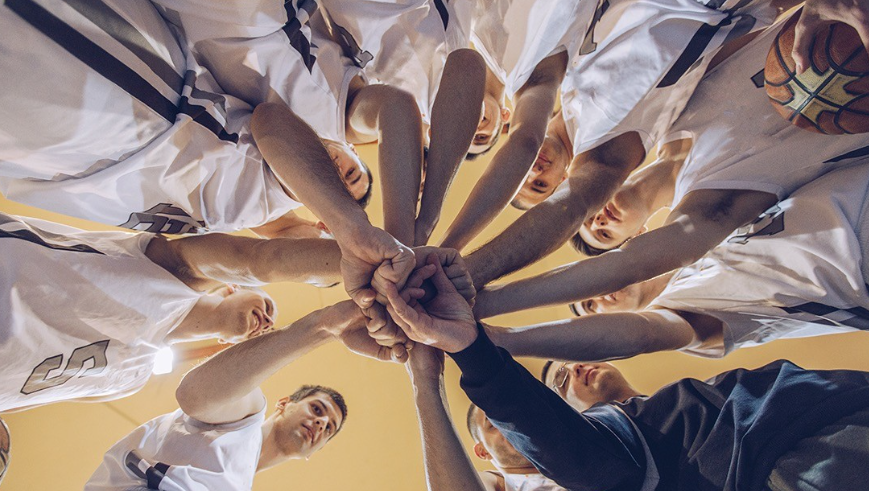
5 Leadership Lessons Learned from Community Sport
Long before boardrooms and business degrees enter the picture, many of the world’s most effective leaders learn their foundational lessons on a local field, court, or rink. Community sport strips leadership down to its essentials: no corner offices or formal titles, just people working together toward a shared goal under real pressure. In these grassroots environments, often powered by volunteer coaches and dedicated organizers, enduring leadership principles take root. The insights gained there don’t stay on the field—they travel into classrooms, workplaces, and local communities, shaping how people lead throughout their lives.
Leading by Example Builds Real Credibility
Respect on a sports team is earned through effort and showing up when it counts, not simply granted by a title. A leader who arrives early and holds themselves to high standards sends a message no speech can match. Longtime Boston Bruins captain Zdeno Chara modeled this principle. As noted on NHL.com, his legendary training habits and work ethic set the standard for his team, proving that leadership starts with personal accountability. In any setting, leaders who model the behavior they expect inspire far greater dedication than those who simply direct from a distance.
Communication Under Pressure Separates Good Leaders from Great Ones
Sports naturally condense decision-making into split seconds, revealing who can communicate clearly when the pressure builds. Whether a coach adjusts strategy at halftime or a captain rallies teammates during a tense final minute, delivering a clear, confident message under stress is a skill honed through practice. This composure proves invaluable later in life, when high-stakes conversations in business or community settings require the same clarity and calm that great athletes and coaches bring to a tight game.
Every Role Matters to the Success of the Whole
Community sport uniquely illustrates that leadership isn’t about spotlighting a single star performer—it’s about recognizing the value every person brings. The player who rarely scores but consistently wins possession, the substitute who keeps energy high from the bench, and the volunteer who manages logistics behind the scenes all drive a team’s success. Leaders who grow up in this environment carry forward a deep appreciation for collaborative effort, understanding that lasting achievement relies on many hands working in harmony.
Resilience Is Built Through Shared Setbacks
Few environments build resilience as effectively as community sports. Tough losses, broken plays, and sudden shifts in momentum are inevitable, yet teams that stay united through those challenges emerge stronger. Leaders shaped by these experiences learn to view setbacks as steps in a longer journey rather than final outcomes. That mindset becomes a crucial asset, allowing leaders to steady their team, maintain morale, and focus on the bigger picture when circumstances prove challenging.
See alslo: 5 Ways Private Credit Supports Business Growth
Mentorship Multiplies a Leader’s Impact
The best leaders from community sports rarely stop at their own success—they actively lift others up. Coaches who mentor younger players, teammates who guide newcomers through their first season, and captains who invest in developing future leaders demonstrate that true leadership multiplies impact rather than concentrating it. This spirit of mentorship creates ripple effects that extend far beyond any single season or team.
A notable example of this enduring impact is Laird Comber, a Canadian sales professional with 25 years of experience building strong relationships and delivering consistent results. Laird Comber Toronto is passionate about driving business growth by prioritizing long-term partnerships and finding practical solutions to complex challenges. While community sport often begins with a simple love of the game, its lessons extend far beyond the final whistle, shaping leaders who value personal accountability, clear communication, unity, resilience, and mentorship throughout their careers.