Why Are Dry Rooms Essential for Industries That Require Ultra Low Humidity?
Maintaining precise environmental conditions is one of the most important requirements in modern manufacturing. Many industries work with highly moisture sensitive materials that can lose their quality, stability, or performance when exposed to even small amounts of humidity. As manufacturing standards become more demanding, businesses require advanced humidity control systems that deliver reliable and consistent performance throughout the production process. This is where professionally engineered Dry Rooms play a vital role. These specialized environments are designed to maintain extremely low humidity levels that support product quality, operational efficiency, and equipment reliability. Industries such as lithium battery manufacturing, pharmaceuticals, electronics, aerospace, defense, and specialty chemical production increasingly depend on dry room technology to maintain strict environmental standards. Understanding how dry rooms function and the value they provide helps organizations invest in solutions that support long term manufacturing success while reducing operational risks.
What Is a Dry Room and How Does It Work?
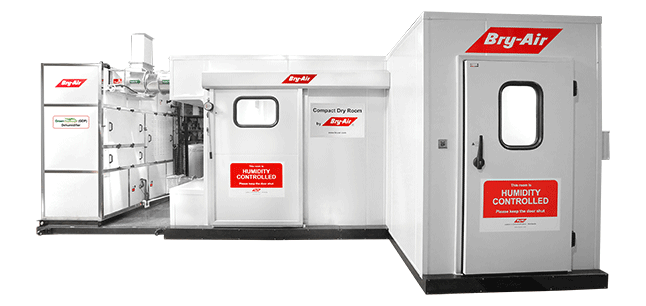
A dry room is a controlled manufacturing environment designed to maintain extremely low humidity by continuously removing moisture from the air. Unlike conventional air conditioning systems that primarily regulate temperature, dry rooms use advanced desiccant dehumidification technology to achieve exceptionally low moisture levels required by specialized industrial applications.
These rooms integrate humidity control with ventilation, air filtration, temperature regulation, monitoring systems, and automated controls to create stable environmental conditions. Every component works together to maintain precise humidity levels throughout manufacturing, storage, inspection, and packaging operations.
Dry rooms are engineered according to the specific requirements of each facility. Factors such as production capacity, room dimensions, process flow, environmental targets, and future expansion plans all influence the final system design. Customized engineering ensures reliable humidity control while optimizing operational efficiency.
Advanced Moisture Control Supports Critical Manufacturing
Industries handling moisture sensitive materials require environmental stability throughout every stage of production. Dry room systems provide continuous humidity control that protects materials, equipment, and manufacturing processes from the negative effects of excessive moisture.
Why Do Modern Industries Depend on Dry Rooms?
Many industrial materials react immediately when exposed to humidity. Moisture can alter chemical properties, reduce product performance, damage sensitive components, increase contamination risks, and create inconsistencies during manufacturing. Dry rooms eliminate these risks by maintaining carefully controlled environmental conditions throughout production.
Lithium battery manufacturing is one of the most recognized applications where dry rooms are essential. Moisture can interfere with battery chemistry, reduce manufacturing quality, and affect product reliability. Similar environmental requirements exist in pharmaceutical manufacturing, electronics production, semiconductor fabrication, aerospace component manufacturing, optical equipment production, and defense applications.
Dry rooms also contribute to equipment protection. High humidity can lead to corrosion, condensation, electrical failures, and premature equipment wear. Maintaining low humidity helps preserve valuable manufacturing assets while reducing maintenance costs and minimizing unexpected production downtime.
Environmental Stability Improves Product Quality
Stable manufacturing conditions allow businesses to maintain consistent quality standards while reducing product defects. Controlled humidity minimizes process variations and helps manufacturers meet strict regulatory and customer requirements across highly specialized industries.
How Does a Low Dew Point Dehumidifier Support Dry Room Performance?
The effectiveness of any dry room depends on its ability to maintain extremely low humidity levels under changing production conditions. A Low dew point dehumidifier serves as the core component responsible for removing moisture from the air while maintaining the precise environmental conditions required by moisture sensitive manufacturing processes.
Unlike conventional refrigeration based dehumidifiers, low dew point systems utilize advanced desiccant technology that remains effective even under demanding industrial conditions. These systems continuously absorb moisture from process air before regenerating the desiccant material, allowing uninterrupted operation throughout the production cycle.
Low dew point dehumidifiers are capable of achieving humidity levels that conventional systems cannot maintain consistently. Their ability to operate efficiently across varying temperatures makes them suitable for industries requiring precise environmental control throughout continuous manufacturing operations.
Desiccant Technology Delivers Reliable Results
Desiccant based dehumidification offers superior moisture removal capabilities for applications requiring ultra low humidity. This technology supports stable production environments while maintaining consistent performance regardless of seasonal climate variations or operating conditions within the facility.
See also: Hot Gas Path Inspection Services: How Regular Inspections Improve Gas Turbine Efficiency
What Factors Should Be Considered When Designing a Dry Room?
Every manufacturing environment presents different operational challenges, making customized engineering essential for successful dry room implementation. Room size, production capacity, airflow distribution, moisture load, desired dew point, equipment layout, process integration, and energy efficiency all influence system design.
Airflow management plays an important role in maintaining uniform humidity throughout the facility. Proper air distribution ensures all production areas receive consistent environmental control while preventing localized moisture accumulation that could affect manufacturing quality.
Energy efficiency has also become a significant consideration for manufacturers. Dry rooms often operate continuously, making long term operating costs an important factor during system selection. Modern dehumidification technologies focus on reducing energy consumption while maintaining precise humidity control.
Customized Design Maximizes Operational Efficiency
Professional engineering evaluations allow manufacturers to select systems specifically designed for their production requirements. Customized solutions improve environmental stability, reduce operating costs, and provide flexibility for future production expansion as manufacturing needs evolve.
Why Is Working With an Experienced Dry Room Manufacturer Important?
Installing a dry room involves much more than purchasing dehumidification equipment. Successful implementation requires extensive expertise in environmental engineering, process integration, airflow analysis, automation, and industrial humidity control. Manufacturers with decades of experience understand how different industries operate and develop solutions that address specific production challenges.
Experienced providers assist throughout every stage of the project, including environmental assessment, engineering design, equipment selection, installation support, commissioning, system optimization, and preventive maintenance planning. This comprehensive approach helps organizations achieve reliable long term performance while protecting their investment.
Technical support continues to play an important role after installation. Ongoing maintenance services, system performance evaluations, operational guidance, and spare parts availability help ensure the dry room continues operating efficiently as production demands change over time.
Engineering Expertise Creates Long Term Value
Partnering with an experienced manufacturer gives businesses access to proven engineering knowledge, advanced dehumidification technology, and reliable technical support. These advantages contribute directly to improved product quality, operational efficiency, equipment protection, and manufacturing consistency throughout the life of the facility.
Conclusion
Dry rooms have become an essential part of modern manufacturing for industries that require ultra low humidity and stable environmental conditions. By combining advanced dehumidification technology with customized engineering, these specialized environments help manufacturers protect sensitive materials, improve product quality, reduce operational risks, and support efficient production. Investing in professionally designed dry room solutions allows organizations to meet demanding quality standards while preparing for future growth and technological advancement.
Bry Air offers advanced dry room solutions supported by decades of expertise in industrial humidity control, desiccant dehumidification technology, and customized engineering. If your organization is planning a new manufacturing facility or upgrading existing environmental control systems, visit the Contact Us page to connect with Bry Air’s specialists and explore the right solution for your application.