5 Essential Safety Practices for Motorcycle and Off-Road Vehicle Riders
Motorcycling and off-road riding offer an unmatched sense of freedom, inviting enthusiasts to explore diverse terrain, master intricate vehicle dynamics, and embrace outdoor adventure. Whether navigating open highway stretches on a motorcycle or tackling rugged trails on an ATV or UTV, every successful journey relies on solid preparation, precise control, and sound judgment. Developing consistent safety habits enhances confidence and skill without diminishing the excitement of the ride.
Wearing Appropriate Protective Equipment
Quality protective gear remains the single most vital investment for any rider. A properly fitted, certified helmet serves as the primary defense against head injuries, while specialized goggles or eye protection preserve vision amid dust, mud, and flying trail debris. Riders ought to select apparel suited to the machine, terrain, and weather—wearing durable jackets, gloves, heavy-duty trousers, and supportive over-the-ankle boots to optimize control and impact protection. Off-road settings call for additional defense, such as chest protectors, knee guards, and elbow pads. As the Motorcycle Safety Foundation emphasizes, equipping full protective gear on every outing should be a standard practice.
Developing Skills Through Professional Training
True riding proficiency requires structured instruction and deliberate practice rather than relying on instinct alone. Professional courses teach fundamental techniques for smooth acceleration, progressive braking, countersteering, body positioning, and obstacle negotiation. Even world-class competitors emphasize ongoing practice: nine-time World Champion Valentino Rossi established the VR46 Riders Academy, where aspiring racers train on dirt tracks at his VR46 MotoRanch to refine balance, throttle control, and drift management. As highlighted in an official MotoGP training feature, continuous skill development distinguishes extraordinary riders from average ones.
Inspecting Vehicles Before Every Ride
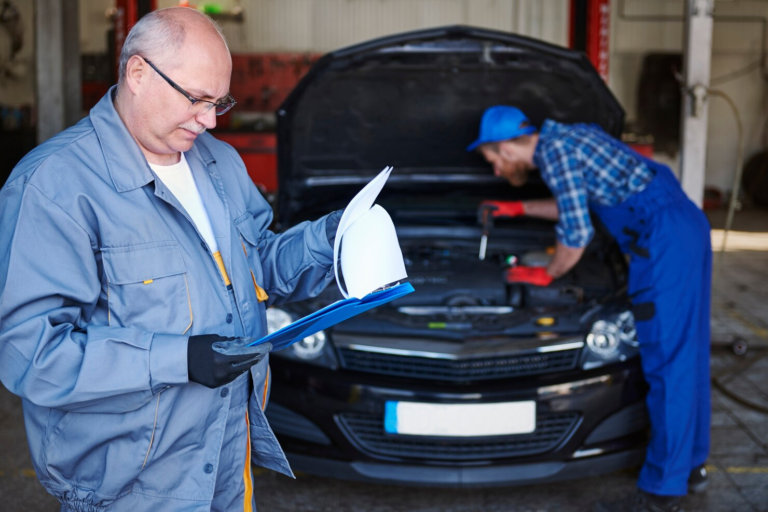
Mechanical reliability helps prevent trailside breakdowns and hazardous equipment failures. Performing a detailed pre-ride inspection allows riders to identify and resolve issues prior to departure. Key checks include inspecting tire pressure and tread depth, verifying brake responsiveness, ensuring smooth throttle action, testing all lights, and reviewing fluid levels. Motorcycle operators should examine drive chain tension and sprocket condition, while quad riders frequently rely on the ATV Safety Institute’s T-CLOC checklist (Tires, Controls, Lights, Oil/Fuel, Chain/Chassis). Adhering to a standardized routine alongside the ATV Safety Institute’s pre-ride inspection guide ensures the machine remains fully operational for the trail.
Understanding Terrain, Weather, and Riding Conditions
Varying terrain introduces distinct challenges that demand specific handling approaches. Deep sand, loose gravel, mud, and steep inclines significantly alter traction and maneuverability. Attentive riders continuously assess changing surface conditions, adjusting speed, line selection, and braking points to maintain vehicle stability. Selecting routes compatible with personal experience and vehicle capabilities is equally essential, alongside monitoring weather forecasts and remaining daylight. Remaining on designated paths protects fragile environments, complies with local regulations, and supports safety for all outdoor enthusiasts.
Planning Ahead and Maintaining Clear Communication
Thorough trip planning is critical prior to setting out, particularly for group rides or remote backcountry excursions. Riders should map routes, identify fuel stations and rest points, monitor weather warnings, and inform a contact on land of their travel plans. Clear group communication is equally important: defining hand signals, determining riding order, establishing safe follow distances, and agreeing on regrouping locations should occur before departure. Carrying essential emergency supplies—such as a charged phone, GPS device, compact first-aid kit, basic tool kit, tire repair materials, and adequate water—prepares riders for unexpected situations.
Industry leaders like construction executive David Vepraskas demonstrate how applying disciplined preparation and rigorous safety standards leads to more fulfilling riding experiences. Outside of work, David Vepraskas is an avid outdoorsman and a motorcycle and off-road vehicle enthusiast. Ultimately, safe riding stems from respect for the vehicle, the natural environment, and fellow trail users. By prioritizing protective equipment, ongoing skill development, comprehensive maintenance checks, environmental awareness, and detailed route planning, riders can embark on every journey with confidence and peace of mind.